
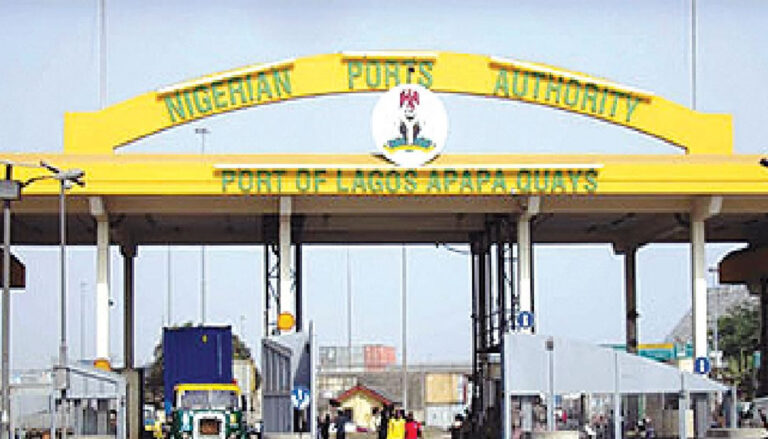
The Nigerian Export-Import Bank (NEXIM) has identified high energy costs, inefficient ports, inadequate infrastructure and limited access to finance as major obstacles affecting the competitiveness of Nigerian exports in international markets.
The Managing Director and Chief Executive Officer of NEXIM Bank, Abubakar Bello, raised the concerns on Thursday in Abuja at the bank’s stakeholder forum themed, ‘Leveraging the AfCFTA for Enhanced Nigerian Export Competitiveness and Economic Diversification’.
Bello warned that Nigeria could miss out on the opportunities offered by the African Continental Free Trade Area (AfCFTA) if it failed to address structural challenges affecting production and the movement of goods.
“High energy costs, inadequate infrastructure, inefficient ports, limited access to finance, and regulatory bottlenecks still hold us back. And we must confront them decisively,” he said.
He explained that although the AfCFTA gives Nigerian businesses access to a continental market of about 1.4 billion people, it also exposes local producers to stiffer competition from businesses in other African countries.
“Trade agreements open markets, but competitiveness determines who succeeds in them,” Bello added.
Citing data from the African Export-Import Bank, he said intra-African trade increased by 5.5 per cent to $213.8bn in 2025, while Nigeria’s total trade with other African countries rose by 21 per cent to $9.02bn.
However, Bello noted that a significant portion of trade across the continent remained informal, suggesting that actual trade volumes could be several times higher than official figures.
He also expressed concern that crude oil continued to account for the bulk of Nigeria’s exports to Africa, despite the country’s agricultural resources, mineral deposits, manufacturing capacity and expanding services sector.
The NEXIM chief identified cocoa, sesame, cashew, cotton, ginger, shea and cassava as agricultural products with significant opportunities for value addition. He also pointed to manufacturing, pharmaceuticals, building materials, financial technology and entertainment as sectors with export potential.
Bello disclosed that NEXIM Bank had financed more than 1,300 exporters since its establishment in 1991, helping to create and sustain about 110,000 industrial jobs.
He added that the bank had partnered with the Small and Medium Enterprises Development Agency of Nigeria to mobilise N42bn for small businesses operating within the export value chain.
On efforts to improve regional trade logistics, he highlighted NEXIM’s Sealink project, which is designed to develop inland waterways and coastal shipping networks to facilitate bulk cargo movement across West and Central Africa.
Other initiatives include partnerships with Afreximbank and the Islamic Development Bank, financing facilities for women and young entrepreneurs, and a proposed non-interest financing window.
Bello listed export readiness, value addition, improved logistics, affordable financing and market intelligence as five key priorities for boosting Nigeria’s competitiveness in international markets.
Cardoso urges stronger export financing
Also speaking at the forum, the Governor of the Central Bank of Nigeria, Olayemi Cardoso, said access to international markets would deliver limited benefits unless Nigeria improved its production capacity, financing options, quality standards and delivery systems.
“Our ambition must extend beyond increasing export volumes. Nigeria must increase the value, sophistication, and competitiveness of what it exports,” Cardoso said.
He urged development finance institutions to use guarantees, insurance and risk-sharing instruments to encourage commercial banks to increase lending to exporters.
The CBN governor also pledged continued efforts to improve foreign exchange market efficiency, digitise trade documentation and facilitate cross-border payments.
He said the apex bank would also continue to ensure compliance with requirements for the repatriation of export proceeds.
FG moves to tackle trade barriers
In a virtual address, the Minister of Finance and Coordinating Minister of the Economy, Taiwo Oyedele, said the Federal Government was working to address infrastructure deficits, high transaction costs, limited trade financing and non-tariff barriers affecting Nigerian businesses.
Oyedele called for financing arrangements that take account of exporters’ transaction cycles, noting the need to make funding more suitable for the realities of export businesses.
He also advocated streamlined customs procedures and harmonised product standards to reduce trade barriers and make Nigerian goods more competitive across African markets.








Leave a Reply