
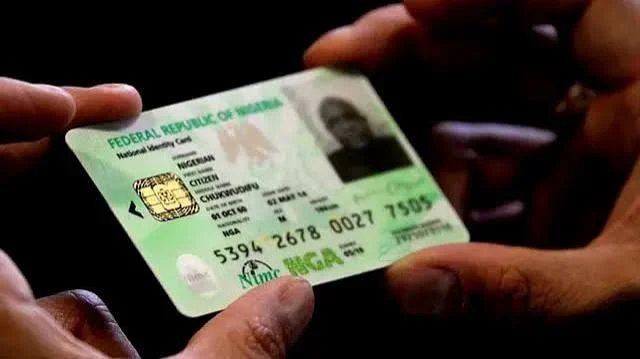
Flying within Nigeria already costs a lot, and a new identity requirement has some passengers worried it’ll get harder. The Federal Government has launched the Verified Passenger Access System, or VPASS, a biometric facial recognition platform meant to verify passengers on domestic flights. At the launch, Aviation Minister Festus Keyamo told airlines that from January 1, 2027 they must plug into the system before boarding passengers on scheduled domestic flights. Passengers have taken that to mean a National Identification Number (NIN) will be needed to fly, though the report doesn’t quote the rule on that point directly.
Reaction at the Lagos airport on Monday was largely sceptical. Mrs Juliet Adeoye, a mother of three, wondered about her children’s position. “Two of my children are citizens of another country,” she said. “Are you saying that from January, local flights won’t be open to them because they don’t have NIN?” She added that she hoped the government would rethink before the date. Kelvin Jones accepted the government’s security aim but questioned making NIN the required identification. “What the Nigerian government is saying, in essence, is that you cannot fly locally without being a Nigerian. That will not work,” he said, and expressed confidence that the government would adjust after feedback.
The concern is online too. One X user, Adesina Adegbite, asked how foreign nationals passing through domestic airports would be verified and by what means. Another, Ademax, argued that identity fraud and ticketing abuses can be tackled without exposing passengers’ NIN to possible hacking. A third, writing as Hon Jay, said the issue isn’t whether airport security should be improved but whether NIN should be the only accepted ID, since that excludes Nigerians with other valid documents. “Security should not become a barrier to citizens’ freedom of movement,” he wrote.
Keyamo’s case is that VPASS tackles several problems at once: identity fraud, unauthorised entry into departure lounges, ticketing irregularities and inaccurate passenger manifests. One example he gave was people who buy tickets in bulk and resell them to other travellers under different identities. Linking passenger details to NINs, he said, would let the authorities check identities more effectively, improve accountability and tighten security. The system will go live first at the Lagos airport and then roll out to other domestic airports, he said, as part of a plan to turn Nigerian airports into smart facilities, in line with President Bola Tinubu’s directive to modernise aviation infrastructure. It covers only domestic flights, since international passengers are checked under a separate arrangement involving the Ministry of Interior and other agencies. The Federal Executive Council approved the project, which is being carried out as a public-private partnership, with the Federal Airports Authority of Nigeria overseeing the equipment and its operation. The minister told the Nigerian Civil Aviation Authority to make sure all airlines complete their integration by December 31, 2026.
The Airlines Association of Nigeria wasn’t ready to comment. Its spokesperson, Prof Obiora Okonkwo, said only, “We have no reaction.”







Leave a Reply