
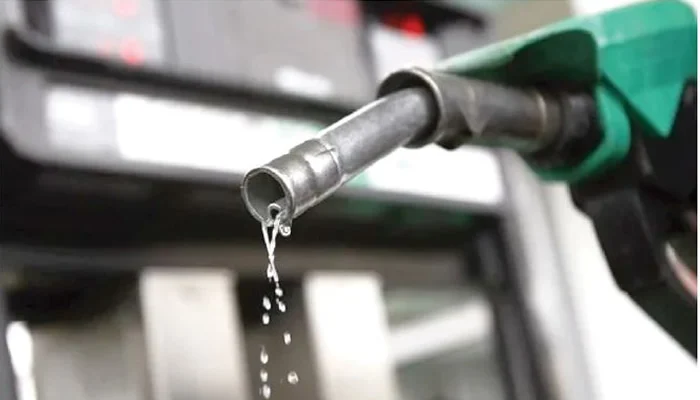
Nigeria imported 47 per cent more petrol in October, reversing September’s fall. The Nigerian Midstream and Downstream Petroleum Regulatory Authority (NMDPRA) published the figures on Friday in its October 2026 fact sheet. Imports rose from 10.2 million litres a day in September to 15 million, an extra 4.8 million litres daily. That raises fresh questions about how much the country still depends on foreign fuel, even with local refining growing.
Domestic refineries are still the biggest source, and they grew too, by 12 per cent, from 28.5 million to 31.9 million litres a day. But imports grew faster, so their share of supply went up. They made up roughly 32 per cent of the 46.9 million litres received daily in October, against 26.4 per cent in September, with domestic refineries supplying the other 68 per cent. Total petrol receipts rose 21 per cent from 38.7 million litres a day, and of the extra 8.2 million litres, 4.8 million came from imports and 3.4 million from local refineries.
The 13 months of data show how much has changed. In late 2025, imports ruled. In October 2025, refineries supplied 17.1 million litres a day and imports 28.9 million. December 2025 was the peak for total supply, at 74.2 million litres a day, with 42.2 million from imports and 32 million from local plants. Then the picture flipped. In January 2026, domestic supply rose to 40.1 million litres, passing imports at 24.8 million. By February, imports had dropped to just three million litres a day against 29.4 million from domestic refineries. Imports crept back from June, and in July domestic supply fell to 25.8 million while imports hit 19.7 million. Over the whole period, domestic refineries averaged 31.5 million litres a day, or 62.6 per cent of supply, and imports averaged 18.8 million, or 37.4 per cent. October’s imports were still below that average, and domestic supply was slightly above its own.
Year on year, October 2026 looks quite different from October 2025. Domestic supply is up 86.5 per cent, from 17.1 million to 31.9 million litres a day. Imports are down 48.1 per cent, from 28.9 million to 15 million. Total receipts are up only about 2 per cent, from 46 million to 46.9 million litres daily. The October rebound in imports also came alongside a deterioration in petrol stock sufficiency, meaning the number of days existing inventories can cover consumption. The text I have cuts off at that point.










Leave a Reply