
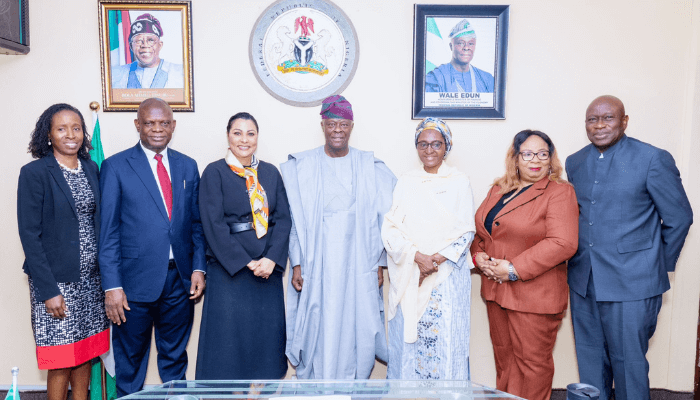
Nigeria is shifting its economic strategy from costly external borrowing to one driven by private investment and domestic reforms, according to the Minister of Finance and Coordinating Minister of the Economy, Wale Edun.
Edun highlighted the move on Thursday at the opening session of the G-24 Technical Group Meeting in Abuja, noting that the country is pursuing a more resilient growth framework powered by local reforms, private sector participation, and diversified funding instruments.
“Nigeria is moving away from a development model heavily dependent on expensive foreign loans, and instead focusing on attracting private capital, implementing domestic reforms, and using innovative financing tools,” he said.
The minister explained that this strategy aims to achieve an average medium-term growth of seven per cent, requiring the investment-to-GDP ratio to rise to at least 30 per cent. He added that the public sector currently contributes only about five per cent of GDP, making it essential to leverage private investment through public-private partnerships, optimising state assets, and creating bankable, lower-risk projects.
Edun also outlined that Nigeria’s reform programme under President Bola Tinubu is guided by three phases: market correction, stabilisation, and accelerated growth. He said the administration has implemented tough but necessary reforms over the past two years to stabilise the macroeconomy and position the country for sustainable growth.
He noted encouraging signs of progress, including a gradual improvement in investor confidence and renewed commitments from private companies, citing Shell’s $20 billion investment as an example.
Edun warned of global risks such as economic fragmentation, geopolitical tensions, and weakening multilateral institutions, which could reduce world output and trade. He emphasised that emerging and developing economies are particularly vulnerable, with many losing access to international capital and facing debt pressures.
To improve fiscal resilience, Edun said Nigeria is strengthening domestic resource mobilisation through tax reforms, enhanced compliance, automation, and initiatives like the National Single Window system, targeting an increase in the tax-to-GDP ratio to 18 per cent.
“The era of depending solely on external funding is over. The future belongs to countries that innovate, collaborate, and integrate their economies effectively,” he added, urging Global South nations to advocate reforms in the international financial system, including stronger IMF safety nets, more concessional lending, and greater use of local currencies.
Edun also stressed linking major infrastructure projects, such as the Lagos–Calabar Highway and ongoing power sector reforms, to job creation and inclusive development.
Opening the session, Dr Iyabo Masha, Director and Head of Secretariat of the G-24, noted that while the global economy shows some resilience, emerging and developing nations must focus on sustainable growth. She highlighted tightening fiscal space, rising debt service costs, and slow trade growth as challenges facing these economies.
As of June 2026, Nigeria’s external debt reached $46.98 billion (N71.85 trillion), with multilateral lenders accounting for nearly half. Commercial loans, including Eurobonds, and bilateral loans increase vulnerability to global interest rate fluctuations, underscoring the importance of domestic funding and private investment-led growth.










Leave a Reply