

The World Bank has advised Nigeria to adopt a combination of monetary discipline, export diversification, and fiscal transparency to sustain the recent stability witnessed in the naira against major foreign currencies.
In a new policy brief released on Tuesday, the global financial institution noted that while the Central Bank of Nigeria (CBN) has made progress in addressing foreign exchange market distortions, sustaining the gains will require consistent policy alignment between monetary and fiscal authorities.
“Nigeria has shown signs of currency stabilization in recent months, but this progress remains fragile unless supported by coherent macroeconomic policies,” the report stated.
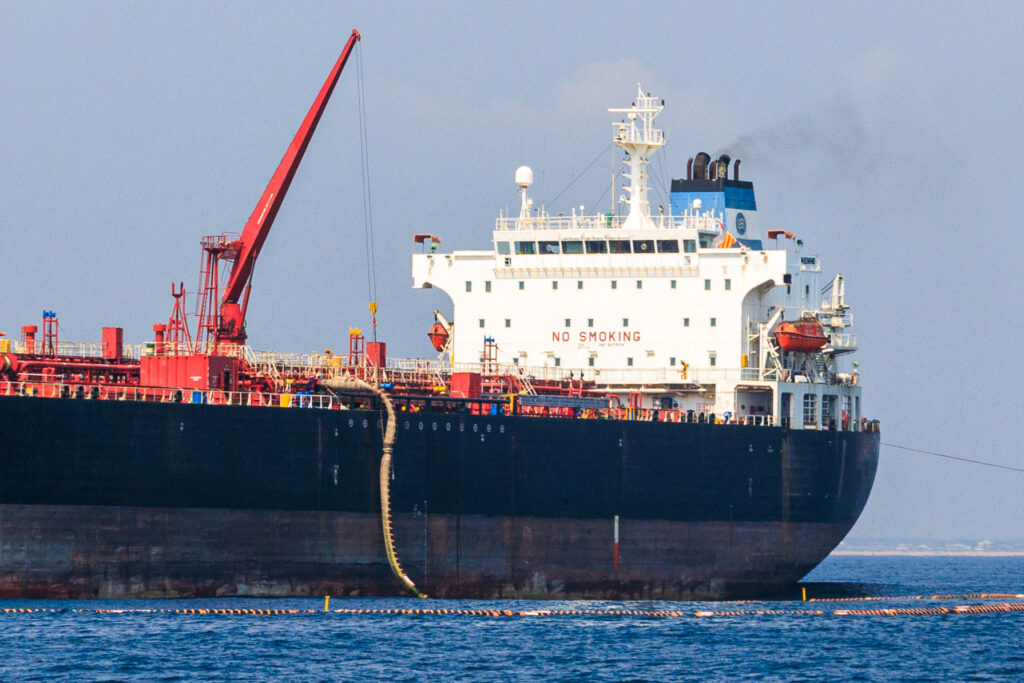
According to the World Bank, the naira’s recovery is largely tied to improved foreign exchange inflows from oil exports, remittances, and portfolio investments. However, it warned that without structural reforms, the currency could again come under pressure from inflation, fiscal deficits, and weak export performance.
The institution emphasized four major areas Nigeria must prioritize to maintain stability:
- Strengthening FX Market Transparency: The World Bank urged the CBN to ensure continuous transparency in foreign exchange allocation and reporting to boost investor confidence and reduce speculative demand.
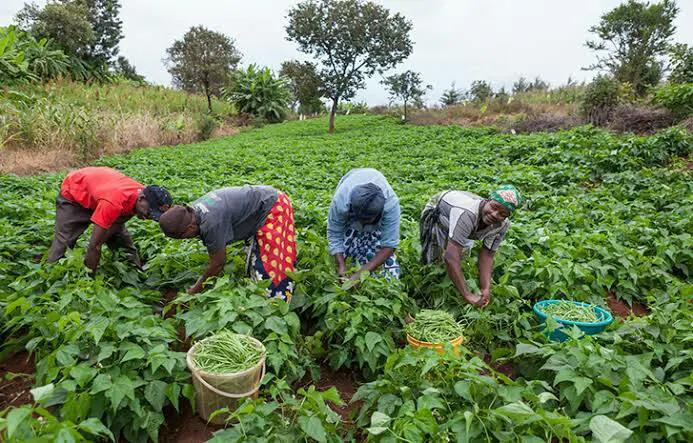
- Diversifying Export Base: The Bank called for aggressive investment in non-oil exports such as agriculture, manufacturing, and technology-driven services to reduce dependency on oil revenue.
- Improving Fiscal Management: It recommended better coordination between the Ministry of Finance and the CBN to control deficit financing and manage public debt efficiently.
- Tackling Inflation: The report also stressed the need for targeted measures to curb inflationary pressures, including improving food supply chains and energy access to reduce production costs.
“For Nigeria, the long-term strength of the naira lies in productivity and competitiveness, not short-term interventions,” the World Bank said.
The Bank further praised recent CBN reforms under Governor Olayemi Cardoso, such as tightening monetary policy, unifying exchange rates, and clearing forex backlogs, but noted that such actions must be complemented by fiscal prudence and sustainable trade policies.
Economic analysts agree that Nigeria’s ability to maintain a stable naira will depend on how effectively it balances market-driven exchange rate policies with measures that stimulate real sector growth.
“The naira can remain stable if Nigeria shifts focus from defending the currency to defending production,” said Dr. Funmi Adetiba, an economist at the University of Lagos.
The World Bank concluded that a stable currency is achievable, but only if reforms are sustained and supported by strong governance, private-sector participation, and confidence in the nation’s economic direction.








Leave a Reply