

Nigeria recorded a 78% year-on-year increase in non-oil exports, signaling a major boost for the country’s economic diversification agenda. However, the surge has sparked concerns among analysts and trade experts over the accuracy and consistency of export data reported by government agencies.
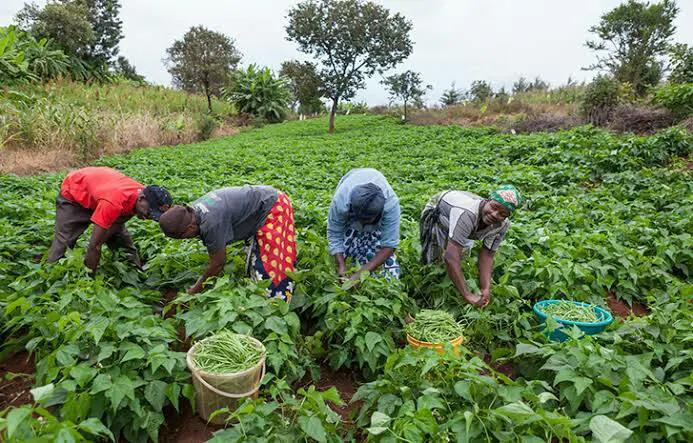
According to the Nigerian Export Promotion Council (NEPC), non-oil export earnings rose significantly in the first half of 2025, driven by increased shipments of agricultural produce, manufactured goods, and solid minerals to markets in Asia, Europe, and West Africa.
“This is a strong indicator that our non-oil export strategy is gaining traction,” said NEPC Executive Director, Ezra Yakusak. “We are seeing greater participation by small and medium exporters and more value-added products in our trade mix.”
Data Discrepancies Raise Questions
Despite the impressive figures, some economists and independent trade monitors have flagged inconsistencies between export data released by the NEPC, the Central Bank of Nigeria (CBN), and the National Bureau of Statistics (NBS).
“There are unexplained variances in the volume and value of reported exports, especially across sectors like agriculture and solid minerals,” said Dr. Ifeanyi Ojo, a trade policy analyst. “This undermines planning and makes it difficult to track real progress.”
The lack of harmonized data among key institutions has long been a challenge in Nigeria’s trade reporting, raising questions about the reliability of figures used for policy-making and investor confidence.
Policy Implications
The Federal Government has identified non-oil exports as critical to reducing dependence on crude oil revenue, particularly as global energy markets shift. However, experts argue that without accurate and timely data, it will be difficult to design effective trade policies or measure performance.
Calls for Reform
Analysts are calling for a unified export data platform and greater coordination between NEPC, CBN, Customs, and the NBS. Some also recommend digital tracking systems and improved documentation standards at ports.
“Export growth is great — but we must fix the foundation. Without reliable data, it’s like flying blind,” said Ojo.









Leave a Reply