
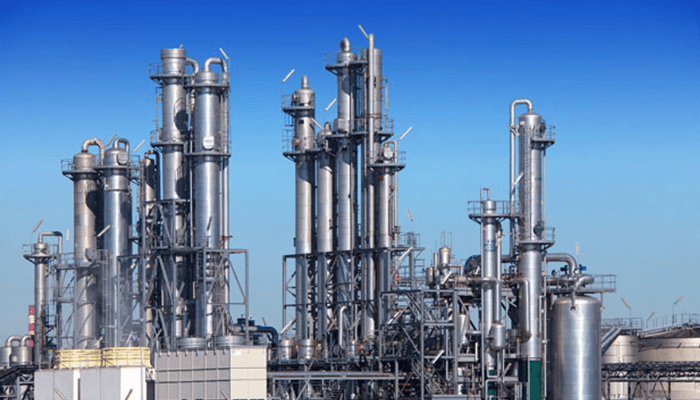
With Nigeria’s multi-billion dollar refinery rehabilitation projects facing repeated delays and cost overruns, key industry players — including the Manufacturers Association of Nigeria (MAN) and major petroleum marketers — are renewing calls for the full privatisation of the country’s ailing refineries.
The push comes amid growing concerns over the viability of the ongoing $3 billion state-led repairs of the Port Harcourt, Warri, and Kaduna refineries, which have yet to begin commercial operations despite multiple projected restart dates.
“We can no longer continue to sink public funds into projects that yield no returns,” said Segun Ajayi-Kadir, Director-General of MAN. “It’s time the government considers full or partial privatisation to bring in efficiency, transparency, and results.”
Private Sector Confidence in Refinery Reform
The renewed call for reform aligns with long-standing demands for deregulation and private sector involvement in Nigeria’s downstream oil sector. Petroleum marketers and logistics operators argue that with global energy players watching Nigeria’s reforms, opening up the refineries to credible investors would fast-track their revival and reduce reliance on fuel imports.
“The market is ready. There are investors willing to take over these assets, inject capital, and operate them profitably under the right regulatory environment,” said Tunji Oyebanji, a former chairman of the Major Oil Marketers Association of Nigeria (MOMAN).
Mounting Pressure on NNPC Limited
The Nigerian National Petroleum Company Limited (NNPC Ltd), which oversees the rehabilitation projects, has yet to offer a clear timeline for completion, despite earlier assurances that the Port Harcourt refinery would begin phased operations by Q2 2025.
Recent reports indicate new delays linked to foreign exchange constraints, contractor disputes, and technical bottlenecks.
“We’re spending billions on refurbishments without refining a single drop. Meanwhile, the burden of subsidy and imports continues,” said energy economist Dr. Ifeanyi Nwankwo. “Privatisation is no longer optional — it’s a necessity.”
Policy Shift on the Horizon?
The federal government has previously ruled out outright privatisation of the refineries, instead preferring rehabilitation through engineering, procurement, and construction (EPC) contracts with global firms. However, analysts say rising public frustration and fiscal constraints may force a policy rethink.
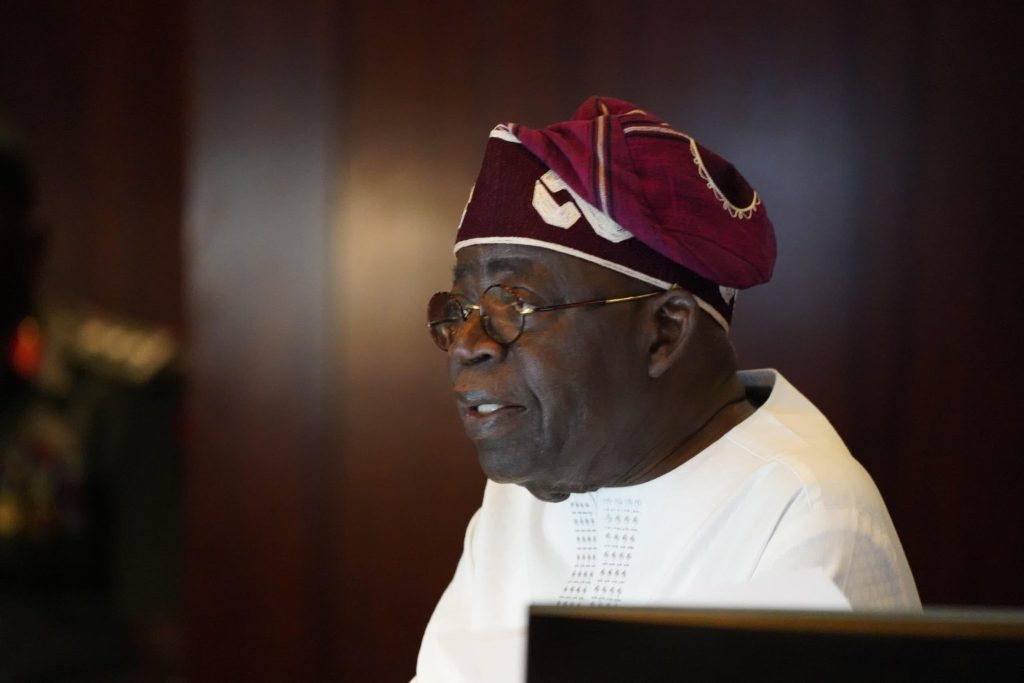
President Bola Tinubu’s economic team, which has prioritised attracting foreign investment and cutting wasteful spending, is reportedly reviewing the structure of state-owned energy assets.
As Nigeria continues to import over 90% of its refined petroleum products, stakeholders warn that without urgent action — including opening the door to private investment — the nation risks perpetuating a cycle of fuel scarcity, high prices, and industrial underperformance.









Leave a Reply