
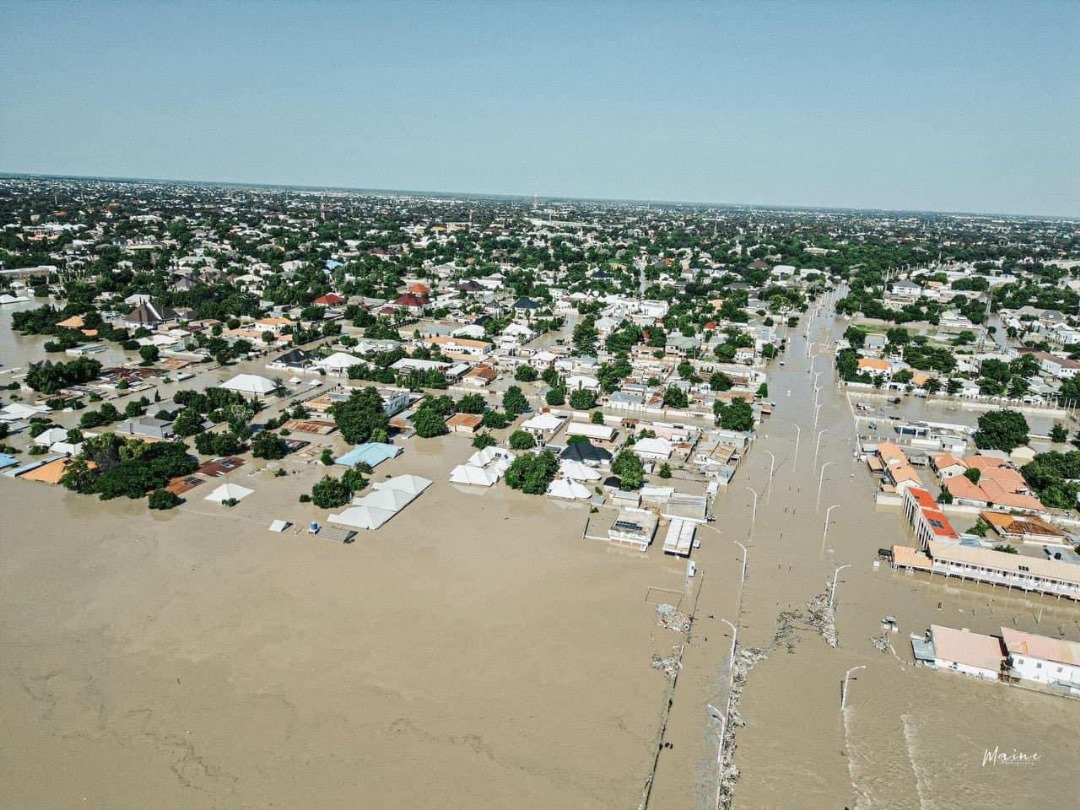
Massive flooding across Nigeria has wreaked havoc on the agricultural sector, destroying over 180,000 farmlands in 30 states, the Federal Ministry of Agriculture and Food Security confirmed on Wednesday.
The unprecedented scale of the destruction has sparked concern among food security experts and government agencies, who warn that the ripple effects could trigger severe food shortages and inflation in the coming months.
According to ministry officials, the floods—caused by prolonged rainfall, poor drainage infrastructure, and overflowing rivers—have submerged thousands of hectares of crops including rice, maize, cassava, and vegetables, affecting smallholder and commercial farmers alike.
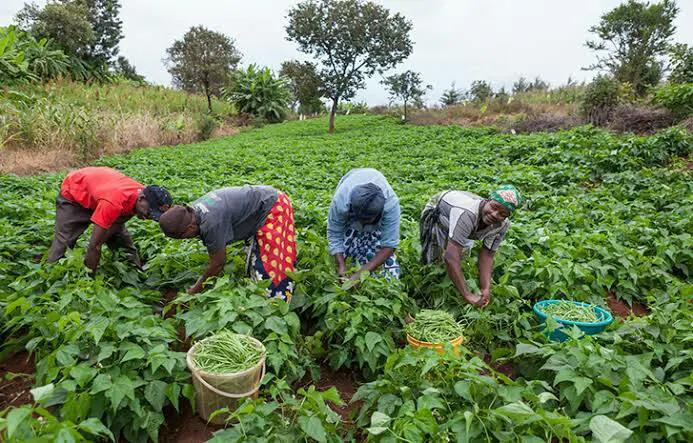
“This is one of the most extensive farm losses Nigeria has seen in recent years,” said Dr. Fatima Umar, a senior official at the ministry. “The damage has not only disrupted the livelihoods of tens of thousands of farmers, but it also threatens our food supply chain as we enter the critical harvest season.”
States worst affected include Benue, Kogi, Niger, Jigawa, and Anambra, with reports of entire farming communities being displaced by rising waters. Emergency response teams and state-level agricultural officers are currently conducting assessments to determine the full extent of the losses and provide relief support.
The Nigerian Meteorological Agency (NiMet) had earlier warned of above-normal rainfall and potential flooding during the 2025 planting season. Despite these warnings, preparedness remained low in several rural areas.
The Federal Government has pledged to work with international partners and state governments to provide relief packages, including seeds, fertilizers, and financial aid to affected farmers. However, experts say long-term solutions such as climate-resilient farming practices, improved irrigation systems, and investment in flood defenses are urgently needed.
As food prices continue to climb and inflation remains high, the agricultural blow from the floods is expected to weigh heavily on the nation’s economy and food security outlook.









Leave a Reply