
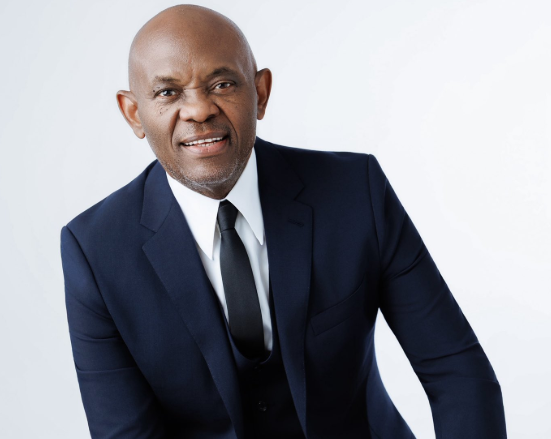
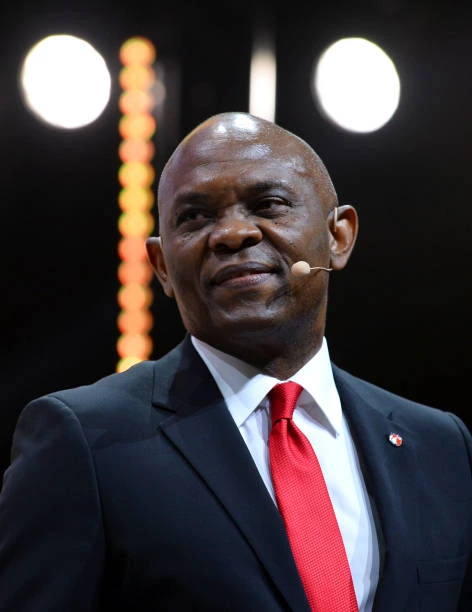
Billionaire businessman Tony Elumelu, who chairs Heirs Holdings and Transcorp Group, has asked President Bola Tinubu to make judicial reform a priority. His warning is that slow justice and weak enforcement of contracts can scare off investors, whatever incentives and reforms the government offers. He spoke on Thursday in Abuja, delivering the keynote at the WOC Justice Summit, themed “The Rule of Law as a Catalyst for Private Sector Growth and Economic Transformation.”
The problem is well known. Delays in commercial cases, contract enforcement and dispute resolution put off domestic and foreign investors alike. The World Bank’s Business Ready 2025 report scored Nigeria 63.48 out of 100 for its regulatory framework for commercial dispute resolution, but only 24.50 for public services and 53.80 for operational efficiency. That points to a gap between what the law says and how it works in practice, and to concerns about how quickly commercial justice is delivered.
Elumelu’s case is that investors look at the courts before they commit money. “Before power, before roads, before tax incentives, the first condition is a court judgment that is fair, impartial and timely,” he said. When any of that is in doubt, he warned, “capital doesn’t argue. It leaves.” He added: “I have said it in New York, London, Paris and I’ll say it in Abuja: capital goes where it’s safe and stays where it’s respected.” In his view, the rule of law means contracts stay enforceable when governments change, and rules apply equally to a business and its competitors. He also said investors want predictable regulation and protection for their agreements.
He drew on his own history. When he and other investors bought a struggling bank in 1997, he said, the deal depended partly on confidence that Nigerian law would protect it. Investments in Transcorp, power generation and oil and gas, he said, involved weighing the judicial system as well as the economic outlook. “That is what the rule of law, properly working, delivers: justice that is routine, not heroic and justice that is not delayed.”
He also backed the government’s wider reforms. Elumelu commended Tinubu’s removal of the petrol subsidy, the unification of exchange rates and the new tax reform laws, calling them necessary fixes for long-standing distortions. The administration inherited an economy with costly subsidies, multiple exchange rates that encouraged arbitrage and a tax system that penalized businesses that complied, he said. He acknowledged the cost to ordinary people. “I know the cost has been borne by ordinary Nigerians, and I know you know it too,” he said. Discretionary subsidy allocations, opaque foreign exchange arrangements and negotiated tax obligations, he argued, hurt fair competition and growth. He singled out electricity, saying transparent regulation would attract investment, improve supply and support industries, hospitals and schools.








Leave a Reply