
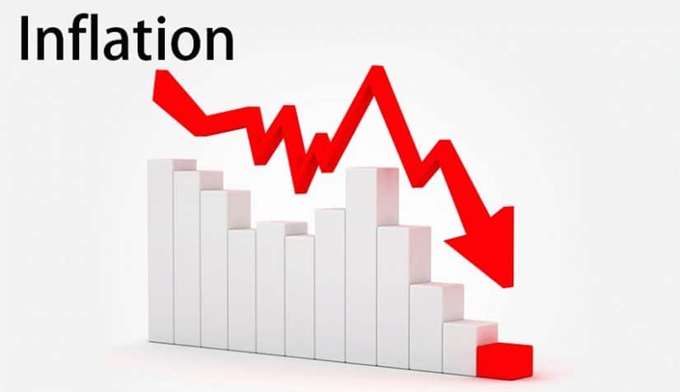
Nigeria’s headline inflation rate eased to 14.45% year-on-year in November 2025, down from 16.05% in October, the National Bureau of Statistics (NBS) reported, reflecting a moderation in consumer price pressures under the new 2024 base year.
The Consumer Price Index (CPI) rose to 130.5 points in November from 128.9 points in October, representing a 1.6-point month-on-month increase. While urban inflation stood at 13.61% and rural inflation at 15.15%, food inflation moderated significantly to 11.08% year-on-year.
Reacting to the data, the organised private sector (OPS) welcomed the slowdown, noting that it would boost consumer purchasing power and support business activity. OPS leaders, including Dr Femi Egbesola of the Association of Small Business Owners of Nigeria (ASBON) and Leye Kupoluyi of the Lagos Chamber of Commerce and Industry, urged the government to provide targeted credit facilities to micro, small, and medium enterprises (MSMEs) to ensure they benefit from the improved macroeconomic environment.
Stakeholders attributed the easing to fading fuel subsidy shocks, improved petroleum market stability, and increased food supply. They warned, however, that without deliberate support for smaller businesses, large corporations could disproportionately benefit from the improved conditions.
Experts stressed that sustained policy reforms, infrastructure investment, and support for agriculture would further consolidate price stability and enhance the purchasing power of Nigerian households in 2026.






Leave a Reply