
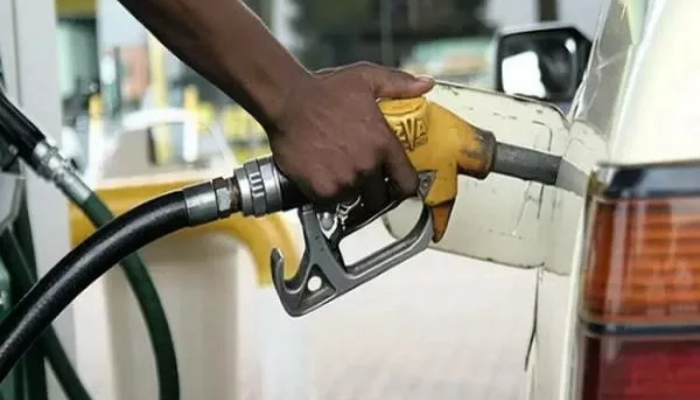
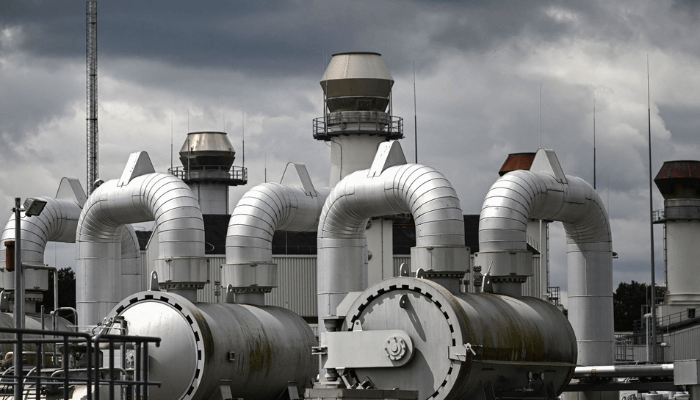
The Federal Government has announced the suspension of the 15% import tax on petrol (Premium Motor Spirit, PMS) in a move aimed at stabilizing fuel supply and easing pressure on importers amid persistent volatility in global oil prices.
The decision, confirmed by the Federal Ministry of Finance, follows consultations with key industry stakeholders, including the Nigerian National Petroleum Company Limited (NNPCL), the Nigeria Customs Service, and independent oil marketers.
In a statement issued on Wednesday, the Ministry explained that the suspension was part of broader fiscal measures designed to reduce import costs, ensure uninterrupted fuel supply, and prevent further hikes in pump prices.
“This temporary suspension is intended to cushion the impact of rising global energy prices and foreign exchange challenges on the domestic market,” the statement read.
Economic Implications
Analysts say the move could provide short-term relief for importers and consumers, particularly as the country continues to grapple with the effects of currency depreciation and supply bottlenecks in the downstream petroleum sector.
Energy economist Dr. Chinedu Nwosu described the decision as “a pragmatic response to current economic realities,” but cautioned that it should be backed by longer-term reforms in local refining and energy pricing.
“While this will offer temporary stability, the ultimate solution remains local refining capacity and forex stability,” he said.
Background
The 15% import tax on petrol was introduced as part of Nigeria’s tariff harmonization policy under the Common External Tariff (CET) framework, with the aim of boosting government revenue. However, industry operators have long argued that the levy increased landing costs and made fuel importation less attractive, particularly after the removal of fuel subsidies.
With the suspension now in effect, marketers are expected to reduce operational costs a move that could prevent further fuel scarcity and stabilize retail prices across the country.
Next Steps
Government sources indicated that the suspension would be reviewed after the first quarter of 2026, depending on global oil price trends and the state of Nigeria’s domestic refining capacity, especially with the Dangote Refinery expected to reach full operational output.
The Federal Government reaffirmed its commitment to maintaining energy security and ensuring that policy adjustments “reflect the realities of both the global market and the needs of the Nigerian people.”






Leave a Reply