
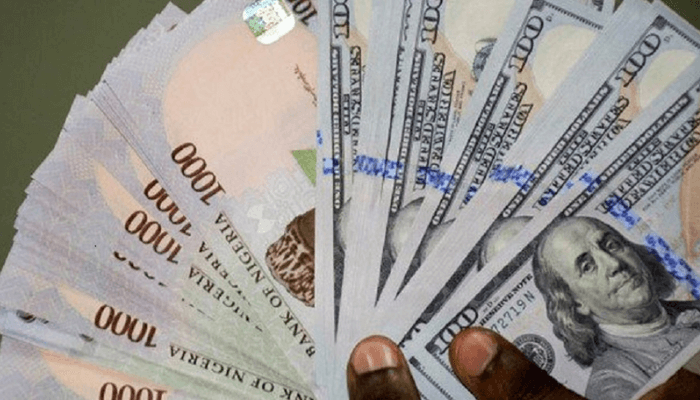
The Federal Government of Nigeria has announced a comprehensive new economic strategy aimed at tackling rising inflation, stabilizing the naira, and doubling citizens’ real incomes over the next five years.
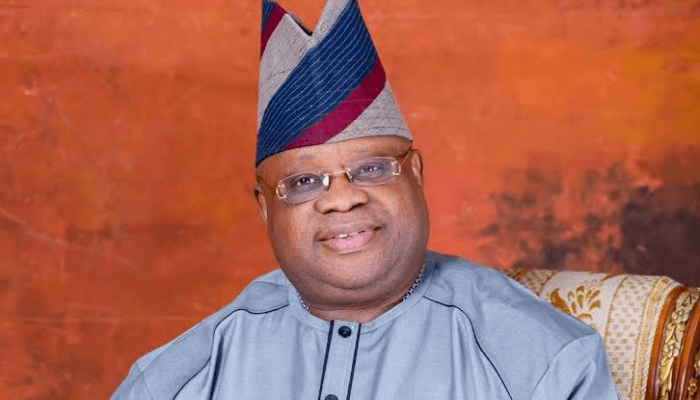
The plan, unveiled on Tuesday by Minister of Finance and Coordinating Minister of the Economy, Mr. Wale Edun, outlines policy reforms designed to boost productivity, attract investment, and expand social welfare programs to cushion vulnerable households.
According to the minister, the strategy part of the administration’s Medium-Term Economic Recovery and Growth Framework (2025–2030) seeks to balance macroeconomic stability with inclusive growth.
“Our goal is to reduce inflation to single digits, ensure sustainable food security, and create an enabling environment where every Nigerian can earn a decent living,” Edun said during a briefing at the Presidential Villa, Abuja.
The initiative focuses on five key pillars: price stability, agricultural productivity, energy access, manufacturing revival, and job creation. The government also plans to strengthen the social safety net, expand conditional cash transfers, and support small and medium-sized enterprises (SMEs) through targeted financing.
Tackling Inflation Through Productivity
Inflation, currently above 27 percent, has eroded purchasing power and pushed millions into poverty. Officials say the new framework prioritizes tackling the root causes of inflation particularly food and energy prices through enhanced local production and logistics efficiency.
“Inflation cannot be fought by monetary tools alone,” Edun said. “We are improving supply chains and supporting farmers and manufacturers to bring prices down sustainably.”
Doubling Household Incomes
Under the plan, the government targets a twofold increase in average household income by 2030 through job creation, tax reforms, and skill development. The administration also pledged to improve wage structures, expand digital economy opportunities, and promote export-oriented industries.
Economists have welcomed the strategy but urged consistent implementation.
Dr. Chioma Agbaje, an economic analyst, said:
“Nigeria has had excellent plans before the challenge is execution. If this one is followed through, it could significantly stabilize the economy.”
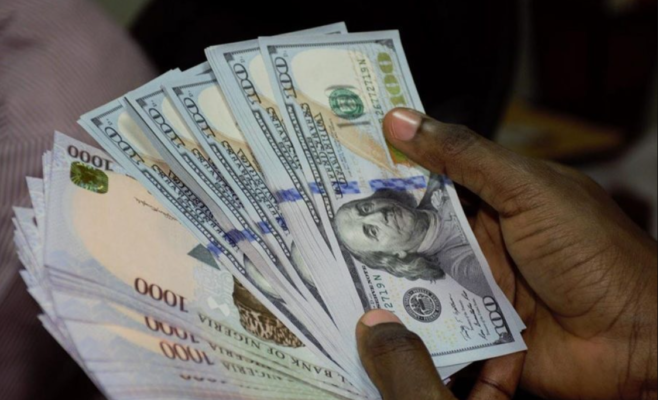
The Central Bank of Nigeria (CBN) is expected to complement the fiscal plan with policies aimed at maintaining exchange rate stability and encouraging local investment.
While details of funding and timelines are yet to be fully disclosed, government officials say the framework will align with global sustainable development goals and private-sector participation.






Leave a Reply