
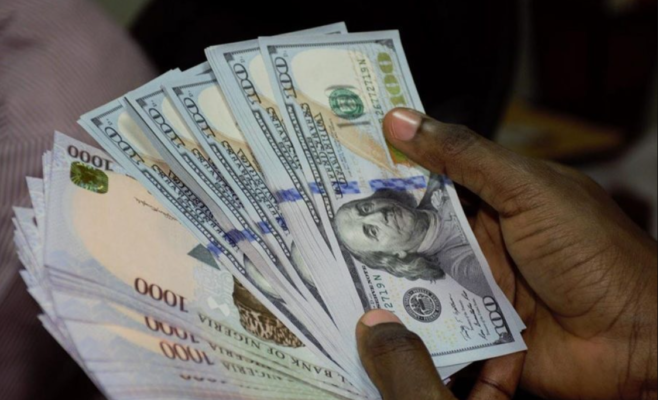
The Nigerian naira traded steadily across official and parallel markets on Wednesday, maintaining a flat rate against the U.S. dollar even as the nation’s external reserves recorded a notable uptick, rising to $43.36 billion, according to the latest figures from the Central Bank of Nigeria (CBN).
Data from the CBN showed that the reserves grew by approximately $210 million within the past week, reflecting improved foreign exchange inflows from crude oil exports and moderate portfolio investments. The increase marks one of the highest levels recorded in recent months, signaling renewed resilience in the country’s external buffers.
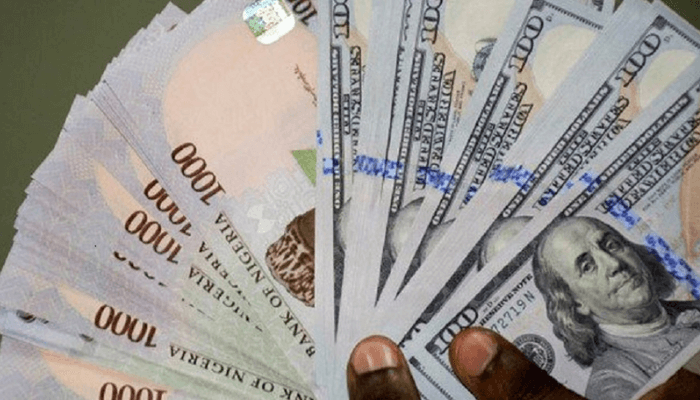
At the official Investors and Exporters (I&E) window, the naira closed at ₦1,215 per dollar, the same level it held in the previous trading session. In the parallel market, the exchange rate hovered between ₦1,220 and ₦1,230 per dollar, showing minimal volatility.
Forex traders attributed the currency’s stability to CBN’s sustained interventions in the foreign exchange market and improved dollar liquidity from oil receipts.
“The naira has been relatively stable in the past few days due to a slight increase in dollar supply and the central bank’s efforts to manage market expectations,” said a Lagos-based currency dealer, Mr. Chinedu Okafor.
Analysts, however, caution that while the rise in reserves is a positive signal, structural factors — such as import dependence, limited export diversification, and inflationary pressures — could still weigh on the naira’s long-term performance.
Economist Dr. Zainab Kareem noted that Nigeria must sustain higher oil production levels and attract more non-oil inflows to maintain reserve growth.
“An increase in reserves provides short-term confidence, but the real test is sustaining it through stable oil output, policy consistency, and stronger exports,” she said.
The CBN’s recent policy reform including tightening monetary conditions and promoting FX transparency have been credited with reducing speculative activity and narrowing the exchange rate gap between official and parallel markets.
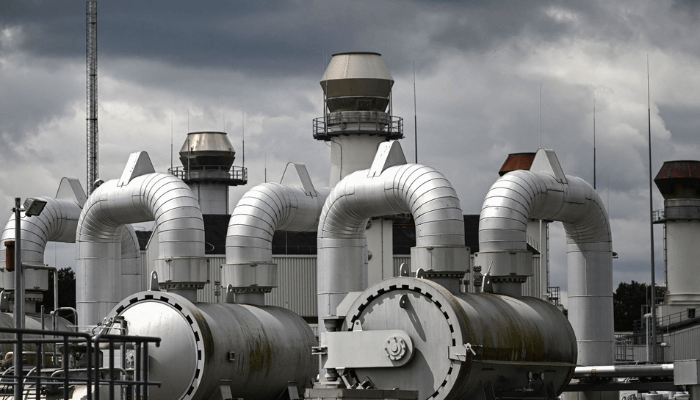
With global oil prices hovering around $85 per barrel, Nigeria’s external position is expected to remain stable in the near term, provided production levels are maintained above 1.5 million barrels per day.












Leave a Reply